How to find competitors ads and discover their online strategies
Every business faces the challenge of understanding what others in the same market are doing. Knowing how to find competitors ads offers a significant edge, turning guesswork into data-driven action. In the digital era, tools like ad libraries and transparency centers have made it easier than ever to spy on competitors without crossing ethical boundaries. Unlocking these resources reveals exactly how rival brands engage audiences, place ads, and structure campaigns.
This guide walks through practical steps for effective online advertising research. Whether aiming to launch a new product or refine an existing campaign, learning from the successes and failures of others paves the way for better marketing decisions. Dive deep into the world of competitor analysis and transform curiosity into competitive advantage.
Why search for competitor ads matters
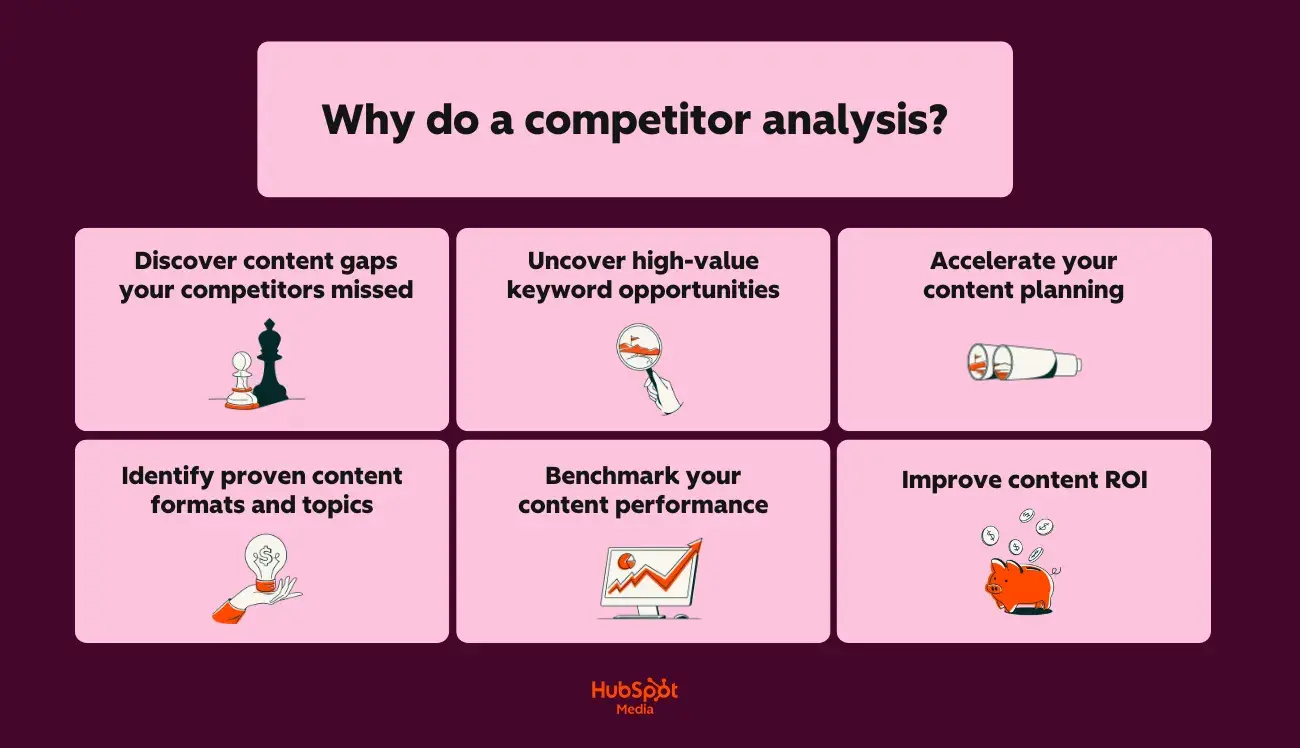
Observing the advertising landscape provides more than just inspiration; it uncovers actionable tactics that others are using right now. Tracking active ads can reveal trends, innovative formats, and audience targeting methods that might otherwise be overlooked. Many successful businesses regularly conduct competitor analysis to stay ahead in dynamic markets where each small insight could result in large gains.
Understanding competitors’ activities allows companies to refine messaging, adjust budgets, and respond quickly to shifts in the market. Instead of merely reacting, organizations can anticipate moves and adapt accordingly. This proactive approach sustains momentum over time and reduces costly trial-and-error efforts within marketing campaigns.
Methods to find competitor ads easily
The path to discovering competitor strategies starts with familiarizing oneself with several key methods and available resources. From official ad libraries to robust third-party platforms, each method has unique strengths depending on needs and objectives. Mixing approaches enhances the quality and depth of insights gained during online advertising research.
Using public ad libraries and transparency tools
Most major advertising networks now maintain public repositories of paid content, making it possible to access live and historical promotion data. These ad libraries typically showcase paid posts sorted by date, format, and targets. By reviewing such collections, marketers can find active ads placed by rivals and study their creative elements and calls to action.
Transparency centers go further by adding extra layers of information, such as ad spend ranges, impression volumes, and targeting criteria. Marketers who want to spy on competitors in detail will benefit from diving into these breakdowns, revealing subtler aspects like regional focus and frequent updates.
Leveraging third-party tools to enhance research
A variety of specialized online advertising research tools add automation and advanced filtering. With features like keyword searches and time-based tracking, users can monitor shifts in budgets, changes to headlines, and trends emerging across entire industries. Regularly scanning these platforms brings to light evolving competitor strategies and helps generate fresh ideas for future ads.
Some platforms also visualize patterns in ad placements, pointing to times of the year when competition ramps up or slackens. Use of these analytics can help optimize one’s own ad schedule for maximum effect, rather than overlapping with heavy traffic periods dominated by industry leaders.
Key steps in performing a thorough competitor analysis
Jumping straight into an ad library can seem overwhelming without systematic preparation. Following a clear set of steps ensures research remains organized and yields usable results. Preparing questions before beginning the process sharpens focus.
- Identify main competitors and clarify which products or services align most closely with current interests.
- Visit relevant ad libraries and gather examples of active ads for review.
- Take note of creative elements: images, headlines, and calls to action.
- Record details on targeting parameters if visible, including location, interests, and demographics.
- Compare findings to internal campaigns and look for gaps or opportunities worth exploring.
This approach establishes a baseline for ongoing monitoring and comparison. Keeping records updated creates a reference point for future adjustments, ensuring that valuable observations are never lost in the shuffle.
What insights can be gained from ad libraries?
Diving into ad libraries turns broad theories about competitor performance into concrete observations. The data pulled directly from live campaigns highlights choices made regarding visuals, text, budget allocation, and strategic timing. Savvy marketers consistently revisit these sources to track the evolution of both major players and emerging challengers.
Spotting trends and adapting creative strategy
Careful review of creative elements used across facebook ads and similar formats points to dominant visual styles or popular messaging themes. Businesses watching closely may detect surges in carousel ads, video-first approaches, or bold CTA buttons. Adapting creative materials in response to those findings ensures campaigns feel current and engaging.
Discovering repeated use of certain taglines or seasonal motifs can inform future planning, particularly for limited-time promotions tied to holidays or awareness months. Patterns rarely happen by chance; instead, they result from relentless testing and optimization, saving time for other marketers hoping to see faster returns.
Analyzing targeting and spending practices
Transparency resources often shine a light on targeting strategies, such as age brackets, locations, or interest groups favored by competitors. Recognizing overlaps or untapped segments can suggest openings for expansion or tighter segmentation. Meanwhile, estimated spend figures found in some ad transparency tools offer hints about priorities and resource allocation behind big launches or sustained campaigns.
Evaluating how much competitors invest relative to campaign scope helps frame new projects realistically. As expectations get grounded in actual observed effort, resource planning becomes less speculative and aligns more closely with likely outcomes.
How regular analysis empowers smarter marketing
Never treating competitor analysis as a one-off task lets organizations grow alongside their peers and rivals. Ongoing scrutiny equips teams to pivot instantly in response to pressures or opportunities revealed through competitor ads. As digital trends move swiftly, continuous observation delivers early warning signals for notable shifts in approach.
Using structured research routines and varied resources, modern marketers no longer have to rely on outdated intuition. Harnessing the potential of meta ads library, google ads transparency center, and similar tools, anyone involved in campaign management enjoys unprecedented clarity when sculpting strategy. With practice, efficient tracking becomes second nature, supporting long-term growth in competitive environments.