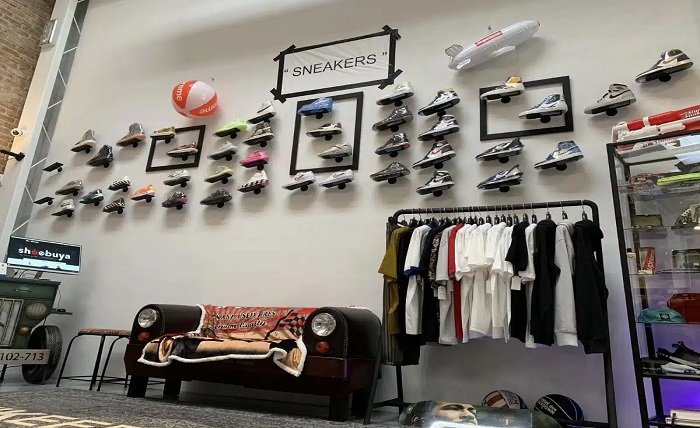
The Art of Building a Wardrobe That Actually Works for You
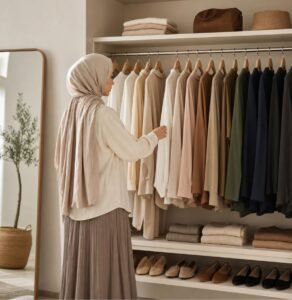
Most men approach their wardrobe the same way they approach a buffet — grabbing whatever looks good in the moment, with no real strategy, and ending up with a plate that doesn’t quite make sense. The result is a closet full of clothes and nothing to wear. Building a wardrobe that genuinely works requires intention, an understanding of your lifestyle, and a commitment to quality over volume. Whether you’re starting from scratch or refining what you already own, the principles remain consistent: invest in versatile pieces, understand fit above all else, and choose brands that deliver on their promises.
Why Most Men’s Wardrobes Fail Them
The average man’s wardrobe suffers from one of two problems: either it’s too trend-dependent, filled with pieces that felt exciting at the time of purchase but have since lost their relevance, or it’s too conservative, stocked with safe, forgettable basics that offer no real personality. Neither extreme serves you well. A wardrobe that works is one that sits comfortably between these two poles — grounded in timeless silhouettes but expressed with enough character to feel distinctly yours.
The other common failure is ignoring the relationship between individual pieces. Clothes don’t exist in isolation. A great jacket means nothing if you have nothing to wear underneath it. A sharp pair of trousers loses its impact if your shirts are ill-fitting. The wardrobe functions as a system, and every piece should be able to interact with at least three or four others. When you start thinking in terms of outfits rather than individual items, your purchasing decisions become sharper and your overall style improves dramatically.
The Foundation: Getting Your Basics Right
Before you think about statement pieces, outerwear, or accessories, you need to get your basics right. These are the garments you reach for most often — the ones that form the backbone of nearly every outfit you put together. T-shirts, button-downs, chinos, and a well-cut pair of dark jeans are the non-negotiables. They need to fit well, hold their shape after washing, and be available in colors that work across your wardrobe.
The Black T-Shirt: A Case Study in Simplicity
Few garments are as underestimated as the black t-shirt. It’s the kind of piece that looks effortless when done right and sloppy when done wrong. The difference almost always comes down to fabric weight, cut, and construction. A quality black tee should have enough structure to hold its shape throughout the day, a neckline that doesn’t stretch out after a few washes, and a length that works both tucked and untucked. If you’re unsure where to start, Esquire’s guide to the best black t-shirts for men offers a well-researched breakdown of the top options across different price points and fits. It’s a useful reference for anyone looking to upgrade this essential piece without overthinking it.
Layering and the Role of Outerwear
Once your basics are in order, layering becomes your primary tool for adding depth and versatility to your outfits. A well-chosen jacket can transform a simple t-shirt and jeans combination into something that reads as intentional and put-together. This is where many men find the most creative satisfaction in dressing — the interplay between layers, textures, and proportions is where personal style really begins to emerge.
Why the Letterman Jacket Continues to Earn Its Place
Among the many outerwear options available to men, the letterman jacket occupies a unique position. It carries a strong cultural history rooted in American collegiate tradition, yet it has proven remarkably adaptable across decades and style movements. Understanding what makes a men’s letterman jacket a timeless style essential comes down to its combination of structured silhouette, tactile contrast between wool body and leather sleeves, and its ability to work equally well in casual and smart-casual contexts. It’s the kind of piece that rewards investment — buy one in a classic colorway and it will serve you for years.
The key to wearing a letterman jacket well is proportion. It tends to work best with slim or straight-leg trousers and a clean base layer underneath. Avoid over-accessorizing when wearing one — the jacket itself carries enough visual weight to anchor the outfit without additional distractions.
Shirts: The Piece That Does the Most Work
If there’s one category of clothing that men consistently underinvest in, it’s shirts. A well-made shirt — whether it’s a casual button-down, a fitted Oxford, or a clean crew-neck — has an outsized impact on how an outfit reads. The collar, the shoulder seam, the chest fit, and the hem length all contribute to whether a shirt looks polished or careless. These details matter more than most men realize, and they’re the difference between looking like you made an effort and looking like you simply got dressed.
Where Custom and Quality Intersect
For men who want shirts that fit their specific measurements without the cost and complexity of traditional bespoke tailoring, custom shirt services have become an increasingly practical option. Fast Shirt Factory is a standout in this space, offering custom-made shirts with a focus on quality construction and efficient turnaround. Their approach bridges the gap between off-the-rack convenience and the precision of made-to-measure, making it a genuinely useful option for men who struggle to find shirts that fit well in standard sizing or who simply want something that feels more personal.
Custom shirts also solve one of the most common wardrobe frustrations: the shirt that fits perfectly in the chest but billows at the waist, or fits the shoulders but pulls across the back. When a shirt is made to your measurements, these compromises disappear, and the result is a garment that looks and feels significantly better than anything pulled off a rack.
Maintaining What You Build
A wardrobe is not a static thing. It requires ongoing attention — periodic editing to remove pieces that no longer serve you, careful laundering to preserve the integrity of your garments, and thoughtful additions that fill genuine gaps rather than create new clutter. The men who dress consistently well are not necessarily those with the largest wardrobes. They’re the ones who know exactly what they own, understand how each piece functions within the whole, and resist the impulse to buy without purpose.
Storage matters more than most people acknowledge. Shirts should be hung rather than folded where possible. Knitwear should be stored flat to prevent stretching. Jackets benefit from proper hangers that support the shoulder structure. These small habits extend the life of your clothes significantly and keep your wardrobe looking and feeling fresh over time.
Conclusion: Dress with Intention
Building a wardrobe that works is ultimately an exercise in self-awareness. It requires knowing how you live, what you need your clothes to do, and what kind of impression you want to make. It means resisting the pull of trends that don’t suit you and investing in pieces that genuinely earn their place. When you approach your wardrobe with this kind of clarity, getting dressed stops being a daily frustration and becomes something closer to a quiet, reliable pleasure. That’s the goal — not a wardrobe that impresses others, but one that consistently works for you.